Where North Port municipal water comes from
The City currently describes its principal raw-water sources as surface water from Myakkahatchee Creek and six intermediate groundwater wells. North Port also purchases treated surface water from the Peace River Manasota Regional Water Supply Authority. This mixed-source context is one reason a single internet hardness number should not be treated as a property measurement.
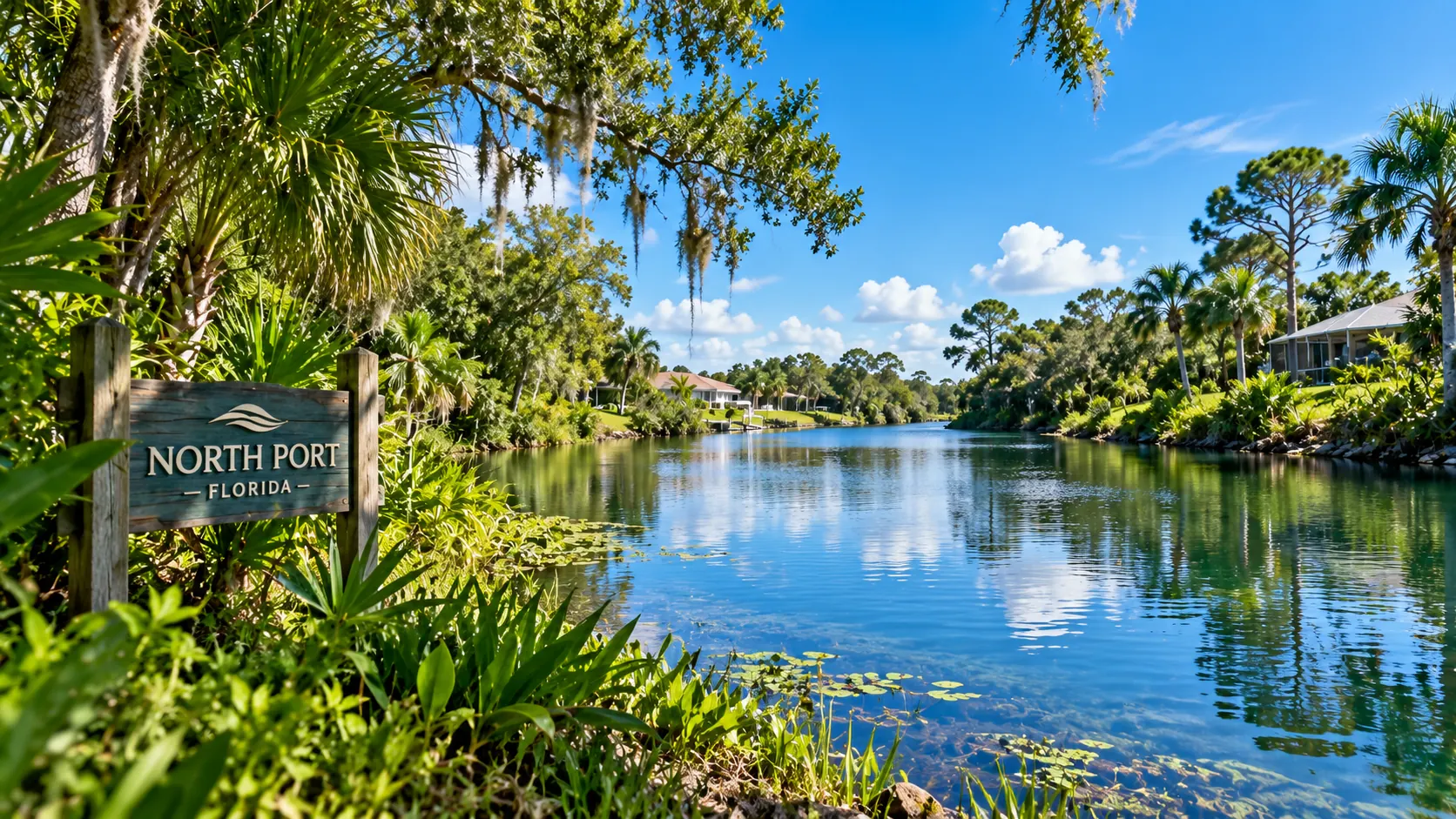
Myakkahatchee Creek
Myakkahatchee Creek is a local surface-water source feeding the City treatment system. Surface water is treated and monitored before distribution; source conditions and operational blending can change over time. The City’s current page—not an old third-party summary—is the appropriate place to confirm its role.
Intermediate groundwater wells
North Port identifies six intermediate groundwater wells among its principal sources. Groundwater often has different mineral characteristics from surface water, but no inference about a particular tap or private well should be made without data.
Regional Peace River supply
The City says it purchases treated surface water from the regional Peace River authority, treated in DeSoto County before delivery to North Port. Regional supply adds resilience and another possible component in the water delivered through the system.
How municipal reporting works
Public systems sample under federal and state requirements and publish annual Consumer Confidence Reports. A CCR summarizes detected substances, regulatory standards, treatment and source information for the reporting period. It is not a test of every home’s internal plumbing or a prediction of one faucet on one day.
What the current report says
North Port Utilities states that its 2025 annual report contains results from monitoring during 2025 and that City drinking water meets or exceeds applicable federal and state standards. Readers should use the linked official report for the detailed tables and definitions.
Standards versus household preferences
Regulatory compliance addresses public-health standards. A homeowner may separately care about scale, spotting, taste or odor. Discussing a preference does not mean compliant municipal water is unsafe, and treatment marketing should never blur those questions.
Quality versus hardness
Hardness is primarily calcium and magnesium concentration. It is usually discussed as an aesthetic and operational characteristic rather than a safety failure. A softener reduces hardness; it does not certify water safety.
Why homes experience water differently
Source blending, distance through the distribution system, building plumbing, water heaters, stagnation, treatment devices and personal perception can affect the household experience. A property test answers a narrower question than a utility report.
City water and private wells
A private domestic well is not covered by the City’s CCR. Well owners are responsible for testing and maintenance. Use the city-versus-well comparison and certified laboratory guidance when choosing tests.
Choosing treatment
Start with the concern, determine whether it is a system-level fact or a property observation, test as appropriate, then select equipment with documented performance. Hardness may support softening; a specific aesthetic or contaminant target may support filtration or RO.
Common questions
Does North Port use more than one water source?
Yes. The City identifies local surface water, intermediate groundwater wells and purchased regional treated water.
Does the CCR test my kitchen faucet?
No. It reports the public system. Household plumbing or a private well may require separate testing.
Does meeting standards mean there can be no taste or scale concerns?
No. Compliance and household aesthetic preferences are different questions.
Should a City customer buy treatment from the CCR alone?
Use the report for context, then define the property concern and test where needed.
Sources matched to this guide
City of North Port Water Quality; North Port Utilities annual water-quality reporting; EPA private-well guidance
Sources support the specific factual statements above. Equipment claims still depend on the exact certified model and local conditions.