Know the system
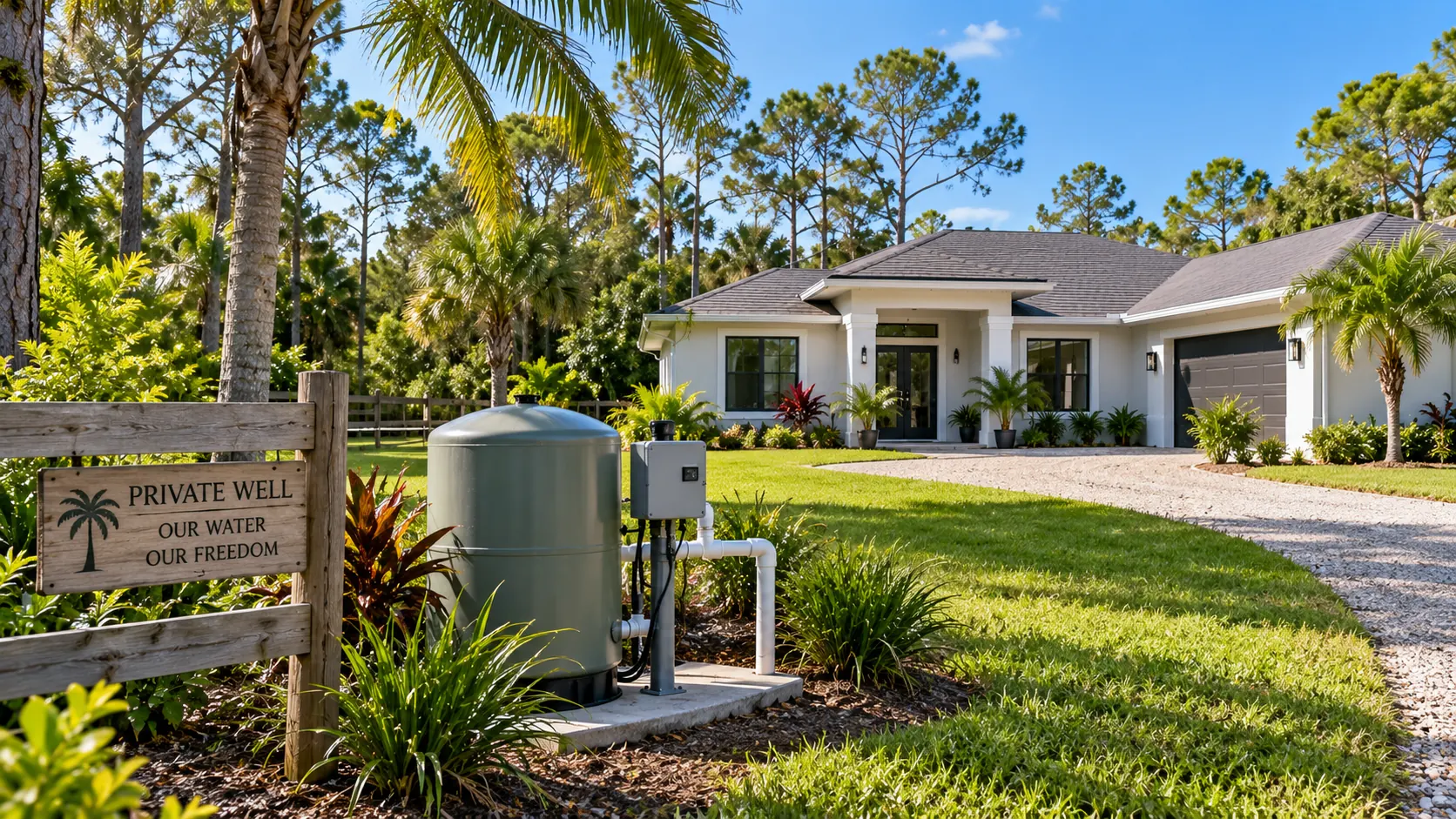
Keep well construction, pump, pressure tank, treatment and service records. Protect the wellhead from runoff and damage.
Build an annual testing habit
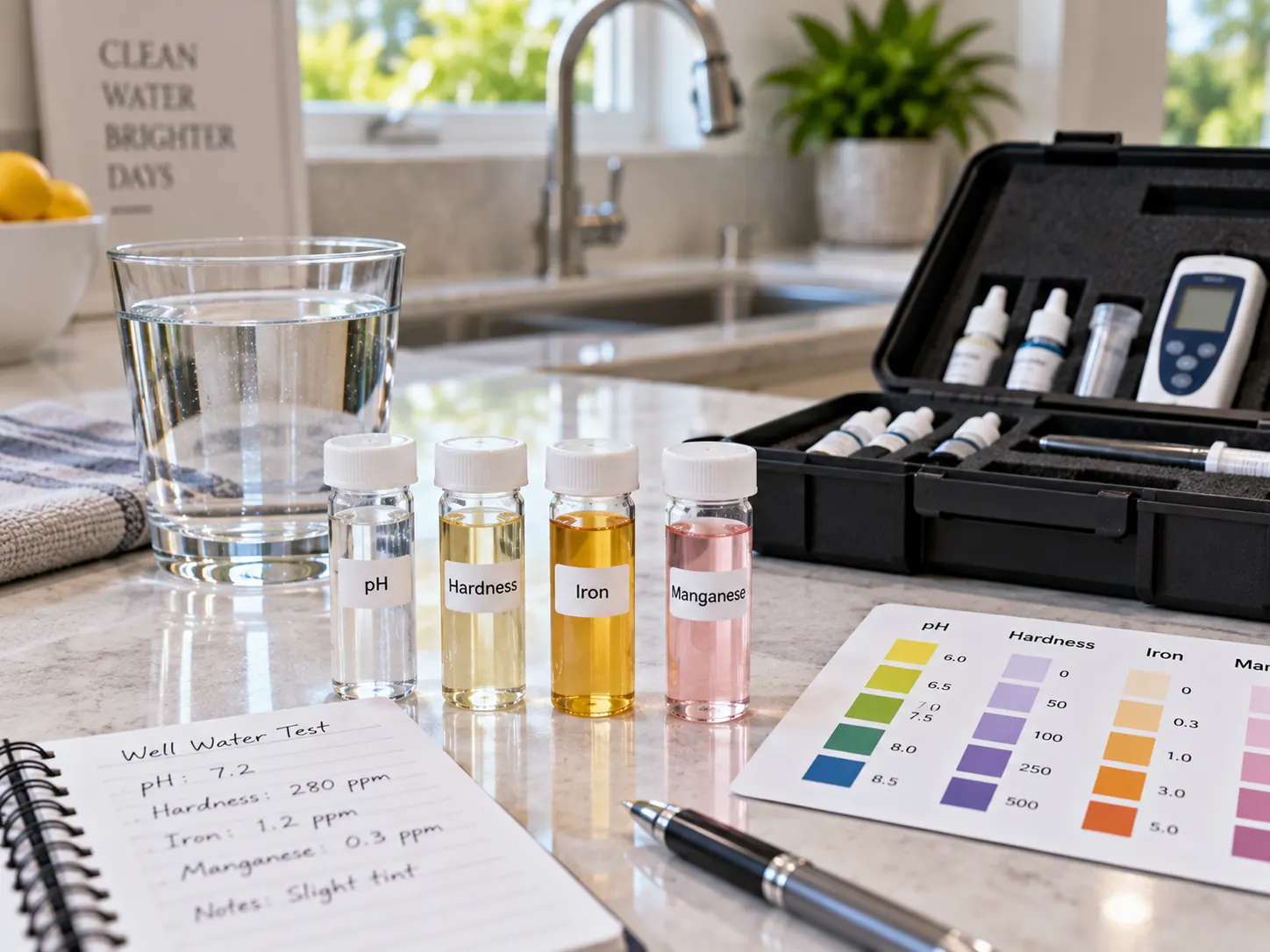
EPA advises annual testing for total coliform bacteria, nitrates, TDS and pH, with additional parameters from local risks and symptoms.
Test after change
Flooding, repairs, nearby contamination, unexplained illness or sudden changes in taste, odor, color or clarity can justify prompt additional testing and health guidance.
Use the right laboratory
Use a state-certified drinking-water laboratory for relevant analysis. Follow its bottles, preservation, flushing and delivery instructions.
Separate aesthetics from health
Hardness, iron staining and odor may be aesthetic or operational, while microbiological or chemical exceedances need a health-protective response. One test strip cannot settle both.
Design treatment in order
Match each stage to the result, concentration, flow and chemistry. Pretreatment may protect softeners, carbon, membranes or UV equipment.
Maintain and verify
Replace consumables, service pumps and pressure tanks, clean or disinfect only as instructed and re-test to verify intended performance.
Common questions
Who regulates my private well?
Private domestic wells are generally the owner’s responsibility; state and local requirements can still apply.
Can clear water contain contaminants?
Yes. Appearance and taste cannot establish microbiological or chemical safety.
Should I test after a hurricane?
Flooding or damage can justify immediate guidance and testing before normal use.
Sources matched to this guide
Sources support the specific factual statements above. Equipment claims still depend on the exact certified model and local conditions.